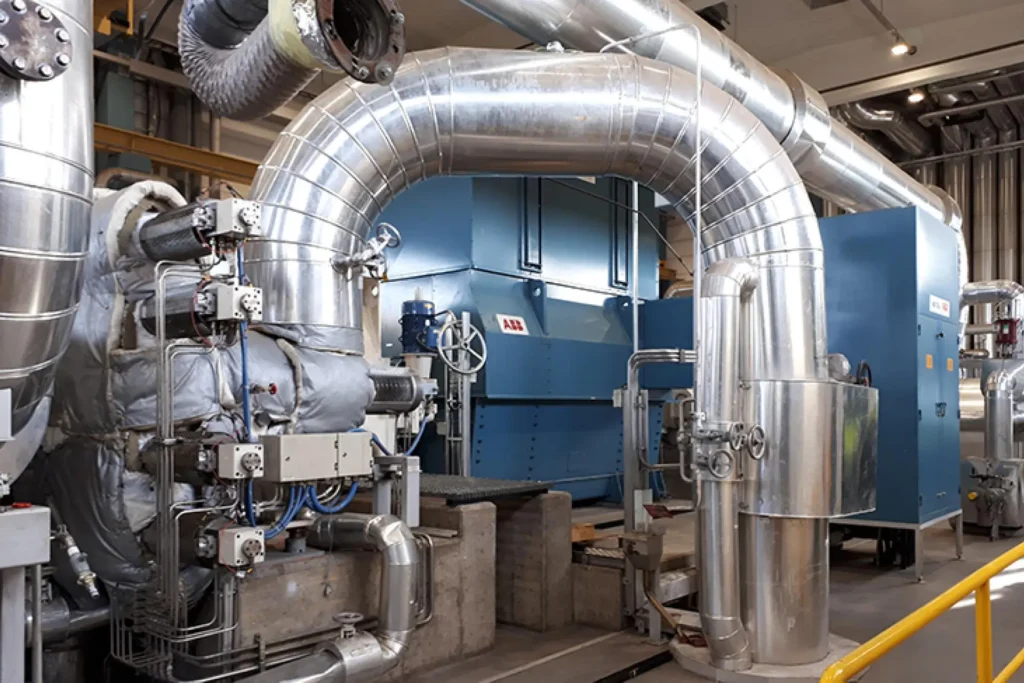
Together with Valmet, we carried out an extensive modernisation of the steam turbine automation for Napapiirin Energia ja Vesi Oy (Neve). The control and protection system was completely renewed and integrated into the plant’s Distributed Control System (DCS). This increased operational flexibility, enabling participation in frequency containment reserve markets. As a result, the investment pays for itself quickly.
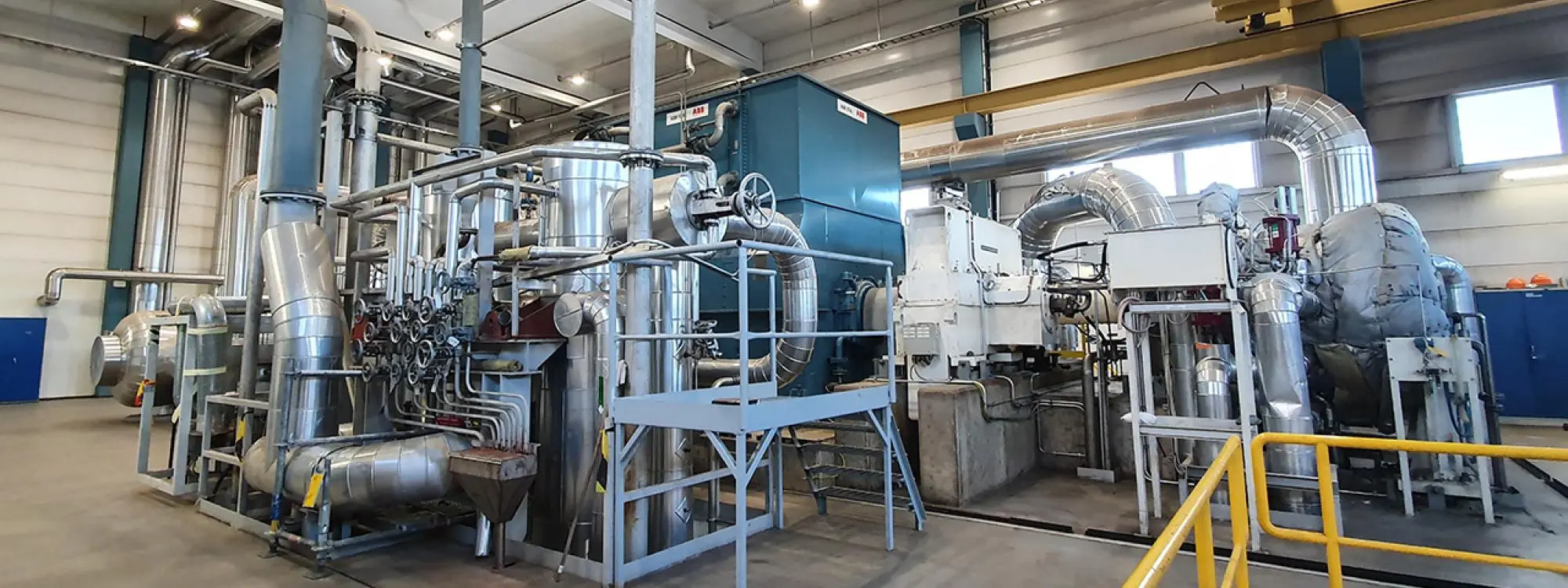
Overall project responsibility for Elcoline TGS
At Neve’s Suosiola power plant, it was recognised in 2018 that the original turbine automation, dating back to 1995, was approaching the end of its lifecycle. The plant sought a modern solution to replace the outdated system, as significant modifications to the old automation were practically impossible.
Following a pre-study conducted by TGS and a competitive tendering phase, Neve selected Valmet Automation as the supplier of the new system, as the plant already utilised Valmet systems. However, the modernisation also required upgrades to the turbine island’s auxiliary equipment and instrumentation. Neve therefore chose to assign overall project responsibility to a single supplier.
“At first, we were planning to carry out the modernisation of automation directly with Valmet, but TGS’s broader mechanical expertise in turbine plants was crucial. We also knew that TGS is a reliable partner because they had previously carried out turbine revisions and generator maintenance for us. It was important for us that the project was supported by a major player in case of any unexpected events,” says Henri Jokkala, who worked as Electrical Automation Manager at Neve during the modernisation.
The project progressed according to plan and was completed within 2019 in just six months—from contract signing to acceptance. Commissioning was carried out as planned, and the unit started successfully on the first attempt.
Modernisation increased operational flexibility and opportunities in electricity markets
Electricity markets have changed significantly in recent years. Combined heat and power production must therefore become more flexible. Turbines must be capable of operating more efficiently under varying conditions.
“In future, each plant operating in the reserve market will have to develop its functionalities more flexibly. With the current set of controls, adjustments down and up, as well as frequency support, work very well. We have also achieved lower vibration levels,” says Production Director Jukka Partanen from Neve.
“Modernisation has enabled participation in modern electricity trading in a new way. Participation in the frequency-controlled reserve market is no longer limited by outdated turbine automation,” says Henri Jokkala.
Modernisation pays off
For many operators, automation represents a challenging investment. It can be difficult to justify modernising an old but functioning system, as the payback period is not always easy to calculate. Modernisation is therefore often postponed, as its benefits are not fully understood. However, when a plant actively operates in reserve or sells electricity to the transmission system operator, the payback period for automation can be determined—regardless of the scale of the investment.
Fact box
Customer: Suosiola combined heat and power plant (CHP), Rovaniemi, Finland
Fuel: Local recycled wood, industrial side streams, forest chips and peat (less than 20%). Steam boiler (40 MW) and oil boiler (50 MW) in case of fault situations.
Equipment: Turbine ABB STAL HP16 and MP10, generator ABB GBA 1250 LD, nominal power 34 MW
System to be replaced: ABB Advant Controller 110